What Do Ski Slope Difficulty Ratings Actually Mean
If you’ve ever stood at the top of a snow-covered mountain, squinting at a signpost with a bunch of colours and shapes, wondering if “blue” really means beginner — mate, you’re not alone. I’ve seen seasoned bushwalkers freeze (not from the cold) at the sight of a black diamond. So, what do ski slope difficulty ratings actually mean? Let’s break it down like a snowplough on an icy incline.
After decades guiding tours from Falls Creek to Thredbo and sneaking in heli-runs in New Zealand, I’ve learnt that slope ratings aren’t always what they seem — especially when you cross country lines or ride in different conditions. This guide will help you decode the colours, avoid overcommitting, and maybe even pick the best runs for your morning cuppa and afternoon legs.
And if you’re planning a ski holiday through Victoria’s High Country, don’t skip nearby tour destinations like Mount Buffalo National Park or Alpine National Park — especially if you’re keen for a guided hike between ski days. Wildlife Tours often runs scenic detours through these spots in the shoulder season.
Looking for something closer to the big smoke? A Mount Buller day trip from Melbourne is one of the most popular winter getaways for city dwellers craving fresh snow and alpine adventure.
Contents
What Each Ski Slope Rating Really Means
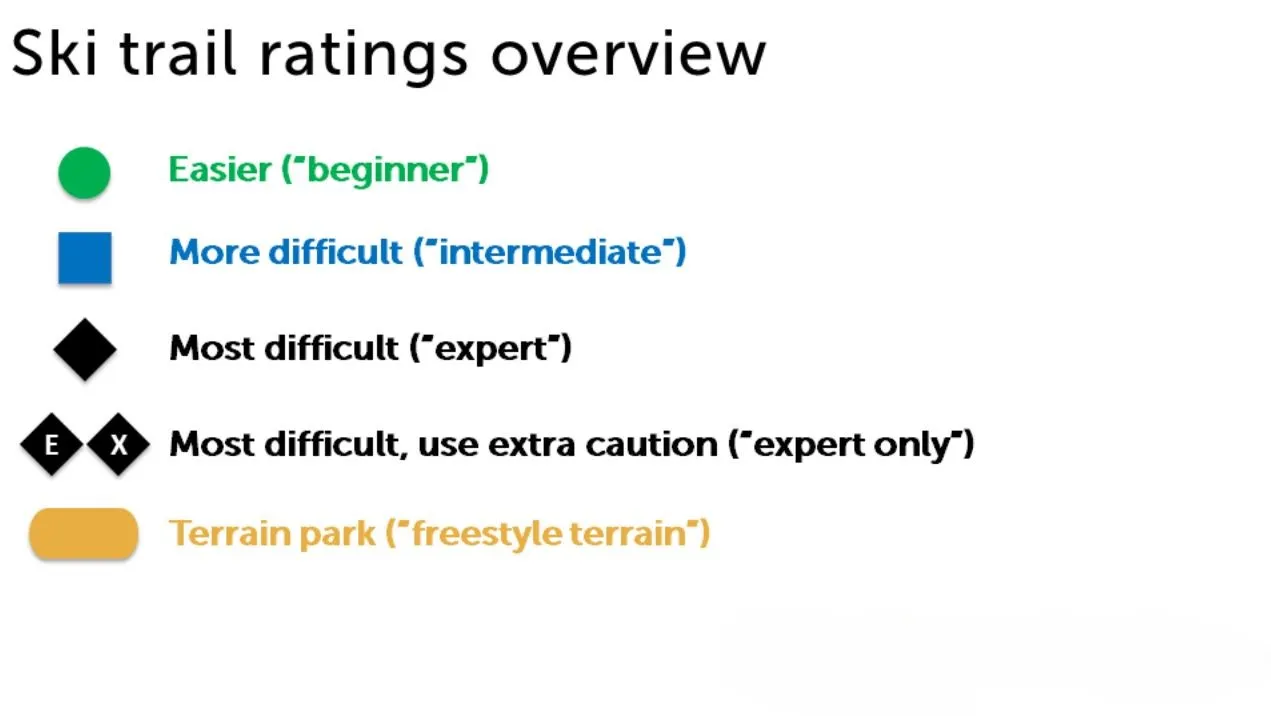
In Australia (and across much of the world), ski slope levels are rated by colour and shape — but these aren’t universal. What’s blue in Victoria might feel like black in Japan. Here’s the Aussie breakdown:
Green Circle: Easy Does It
Who it’s for: True beginners, kids, novice skiers, and anyone still getting used to ski boots
What to expect:
Wide, groomed beginner terrain
Low slope gradient (often under 25%)
Minimal natural features or obstacles
Often serviced by a magic carpet or an easy chairlift
Common traps: Getting too comfortable and thinking you’re ready for intermediate trails after one day. Nah mate, give it a few laps. Practice slopes exist for a reason.
Blue Square: Intermediate Twists and Turns
Who it’s for: Intermediate and confident skiers with basic control
What to expect:
Steeper sections and moderate slope conditions (up to 40%)
Narrow trails or variable snow surface
Square slopes with mild moguls and occasional fresh tracks
Local tip: Weather conditions change fast. A blue feature can become an aggressive slope after fresh snow or if it turns icy. The blue slopes in typical resorts vary — always check for ample warning signs.
Wildlife Tours recommends blue trails at Mt Hotham for strong intermediates, especially after fresh snow. Just steer clear during the core season weekends unless you like queues with your carving.
Black Diamond: Advanced and Adrenaline-Packed
Who it’s for: Advanced skiers, experienced skiers, and those seeking more challenging terrain
What to expect:
Steep inclines, deep snow, and exposure to wind
Difficult slopes with variable terrain types and natural features
Black markings usually mean ungroomed runs with difficult terrain
Warning: Not ideal for testing new gear or bringing someone unsure of their skiing abilities. Risk of injury is higher. Only tackle these if your experience level matches the challenge.
Double Black Diamond: Experts Only (And Even Then…)
Rare in Australia, but you’ll spot these in places like the Rocky Mountains, North America
Think extreme terrain: cliff drops, avalanches, narrow trails, and black symbols that scream “don’t even think about it”
Why Ratings Aren’t Always Consistent
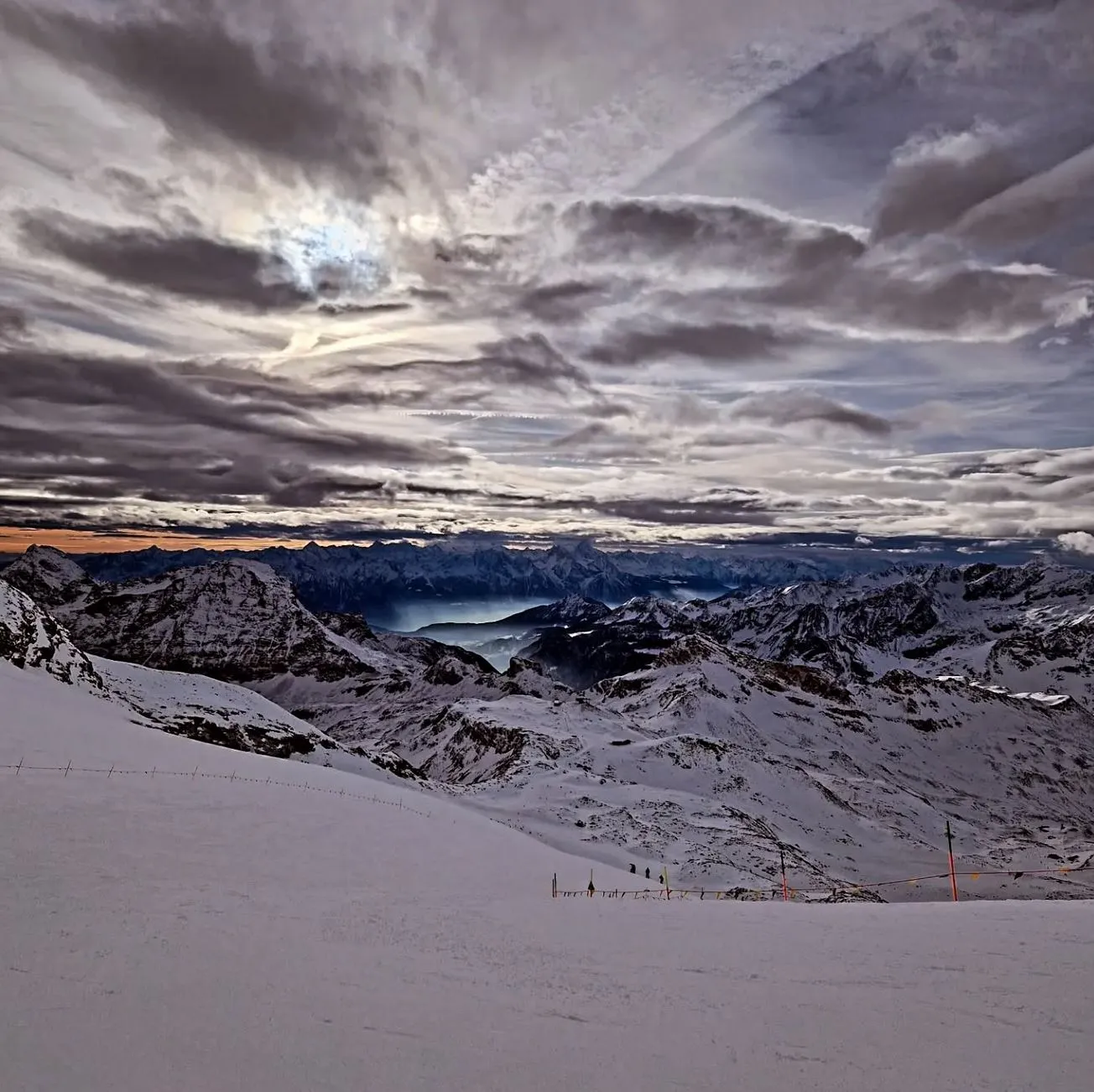
One of the biggest challenges for travellers hopping between ski resorts is understanding that difficulty levels aren’t globally standardised.
Here’s what you’ll find:
Australia & NZ: Green terrain, blue trails, black diamond runs — but milder than their overseas cousins
North America: Uses similar terms but black trails here often involve extreme terrain and steeper sections
Europe: Uses Blue, Red, and Black. Red trails often outmatch blue slopes in Oz and are close to black ratings
Japan: Often gentler with more man-made snow and artificial snow on beginner slopes, but signage varies. Don’t rely only on level markings — ask resort staff if unsure
My Take?
When I first skied in Canada, the deep powder day on what they called a “moderate black” trail nearly ended with a blessing on trails — from the ski patrol. Always research piste skiing systems before your ski holiday.
Conditions Matter More Than Colour
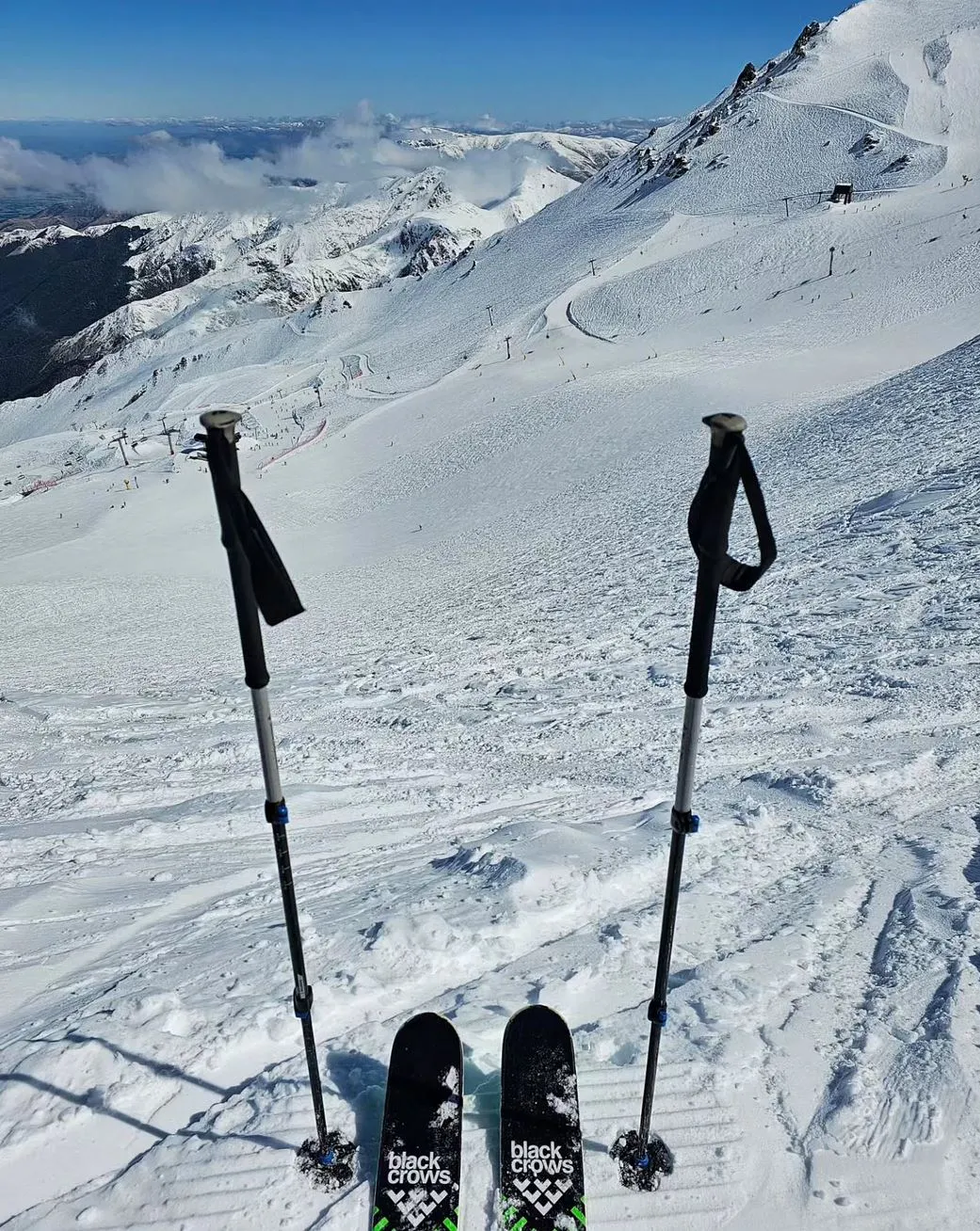
Even at the same ski resort, a trail’s difficulty level can change hour by hour depending on:
Snow conditions: Fresh powder can soften difficult trails, while an icy snow surface makes flat slopes slippery
Weather conditions: Adverse weather brings wind drifts, hidden bumps, and fogged goggles
Crowds: More traffic means uneven terrain and increased risk of collisions
New snow vs. man-made: True powder vs. artificial snow changes the feel underfoot drastically
Don’t just read the colour. Read the trail.
If you’re staying in Bright or Harrietville, consider extending your ski trip with a detour through Beechworth’s historic lanes or an alpine winery visit. Wildlife Tours includes these on their summer itineraries, but they’re worth a look even in snow season.
You can also consider a day trip to Mt Buller if you’re short on time but craving high-altitude snow play. It’s a classic option for first-timers looking to test beginner slopes before committing to a full ski week.
Choosing the Right Run for You (and Your Mates)
Matching your trail choice to your ability isn’t about ego — it’s about staying upright. Here’s how to stay smart:
Ask Yourself:
Am I used to these slope conditions?
How’s my control on both edges?
Do I have experience with this type of terrain?
What’s the weather like now — and in two hours?
Top Tips:
Always start your ski day on a green slope to get your legs moving
Use the piste map to plan runs with beginner slopes for warm-ups and varied terrain for growth
If skiing with mates, match the run to the weakest link’s skiing abilities
Ask resort staff or ski patrol about snow conditions and trail ratings before heading into unfamiliar territory
Practical Tips from the Carpark to the Chairlift
Weather Forecasts: Check Bureau of Meteorology and resort cams
Book Early: Lift passes, ski hire, and even parking spots go fast in the core season
Insurance: Essential for any skiing experience. Even a powder day can end in stitches
Gear Hire: Consider off-mountain rental to save cash and queue time
Arrival Timing: Early morning = better snow and easier parking
Know the Trail Ratings: Get familiar with your resort’s trail difficulty signage before heading out
Wildlife Tours also offers winter packages that combine snow with spa stays or overnight winery retreats. Handy if your knees need a break from the steeps.
Or if you’re pressed for time but still want to soak in the snow scene, opt for a day trip to snow — a no-fuss option that delivers plenty of alpine bang for your buck.
Final Thoughts From the Chairlift
The real takeaway? Ski slope grading is a helpful guide — but not the full story. Your best bet is to combine your experience level, read current slope conditions, and stay humble. The piste map is your friend, and so are the lifties who’ve seen it all.
Whether you’re exploring average slopes or aggressive slopes with friends, knowing your limits makes for a safer and more enjoyable ski holiday.
Got a story from a misjudged black diamond run or a glorious powder day? Drop it in the comments. I’ll trade you one involving fresh tracks and a missing ski pole.
And if you’ve toured with Wildlife Tours or any of the other big-name Aussie operators like Autopia Tours or Wayoutback Tours — I’d love to hear how your adventure went!
FAQ
Can I trust the rating signs at every resort?
Generally, yes — but always remember trail difficulty is relative. A blue trail at one resort could be tougher than a black trail at another.
What does a black diamond actually mean?
It indicates a steep incline, difficult terrain, and exposure to natural features, only for expert skiers.
Can beginner terrain include steep sections?
Sometimes. Beginner terrain may flatten out quickly, but not all practice slopes are perfectly flat. Use caution.
Are blue trails in Europe harder than Australian ones?
Usually, yes. Their trail ratings differ. A European red is often tougher than an Aussie blue.
Is walking down a difficult slope allowed?
Absolutely. If you’ve found yourself out of depth, it’s safer to walk down and preserve your skiing abilities for another day.